
1824
First coastal beacon works commissioned
Surveyors marked hazardous shoals and approved the first permanent light station plans for the northern headlands.
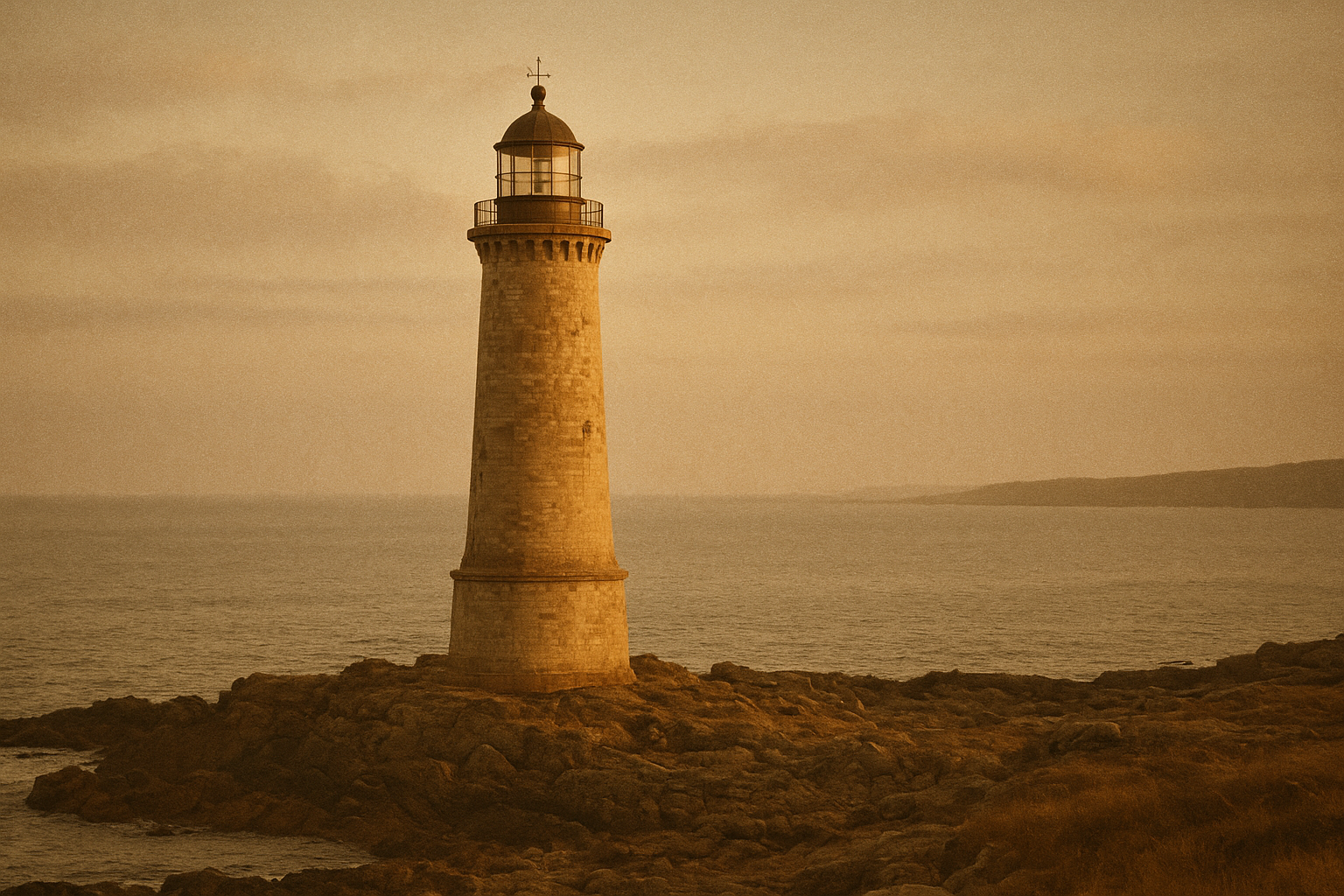
Historical reference archive of the northern coast
Explore archive photography, keeper accounts, and preserved-tower context from the northern coast in one calm editorial record.
Historical scope
This archive documents northern coast lighthouse history through architecture, preservation records, and first-hand keeper recollections, connecting each station's built form to the lived routines and maritime risks that shaped it.
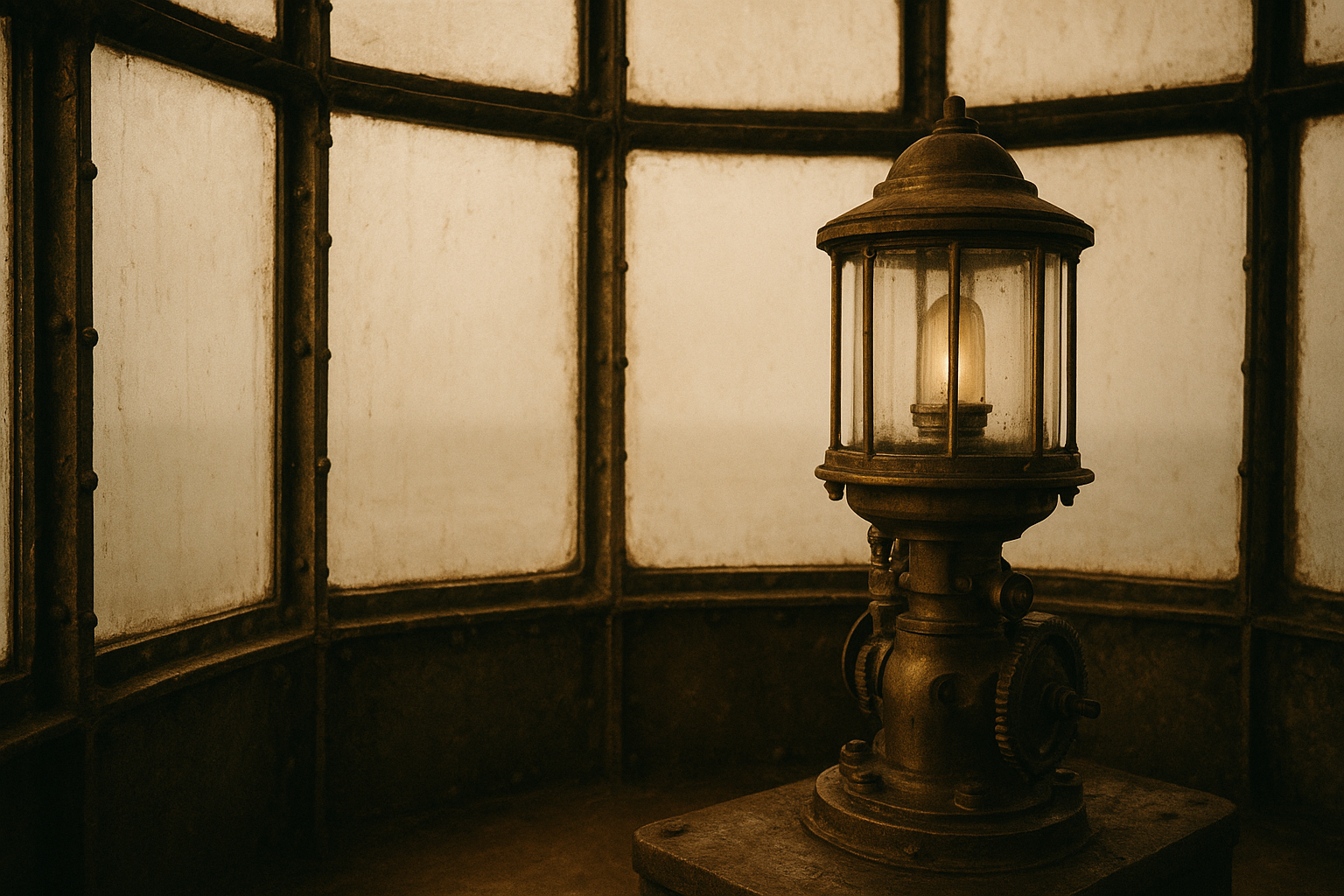
Historical sequence
A quick chronology from first beacon works to preservation-era restoration, helping readers orient the archive before exploring individual towers.
1824
Surveyors marked hazardous shoals and approved the first permanent light station plans for the northern headlands.
1841
Paired lanterns established a safer nighttime approach for fishing fleets entering the narrow harbor channel.
1893
New optics and fuel systems extended visibility, reducing winter-grounding incidents along the outer coast.
1938
Daily weather and signal logs began circulating between stations, creating a richer written record of coastal service.
1976
Regional societies formalized restoration priorities, safeguarding surviving towers as shared maritime heritage.
Preserved tower highlights
A short reference to three surviving towers that connect archive records to their present-day coastal setting.
Outer Harbor Reach
Stone lantern room and gallery rail were stabilized during the 1980s conservation program, preserving original sightlines.
Mid-Coast Estuary
A volunteer-led repointing campaign protected the brick shaft and retained the original keeper access stair profile.
North Cliff Passage
Recent glazing repair and salt-resistance treatment preserved the signal room while maintaining public viewing access.
Keeper stories
Field notes from dawn watches, storm rounds, and family routines that kept northern beacons alive.
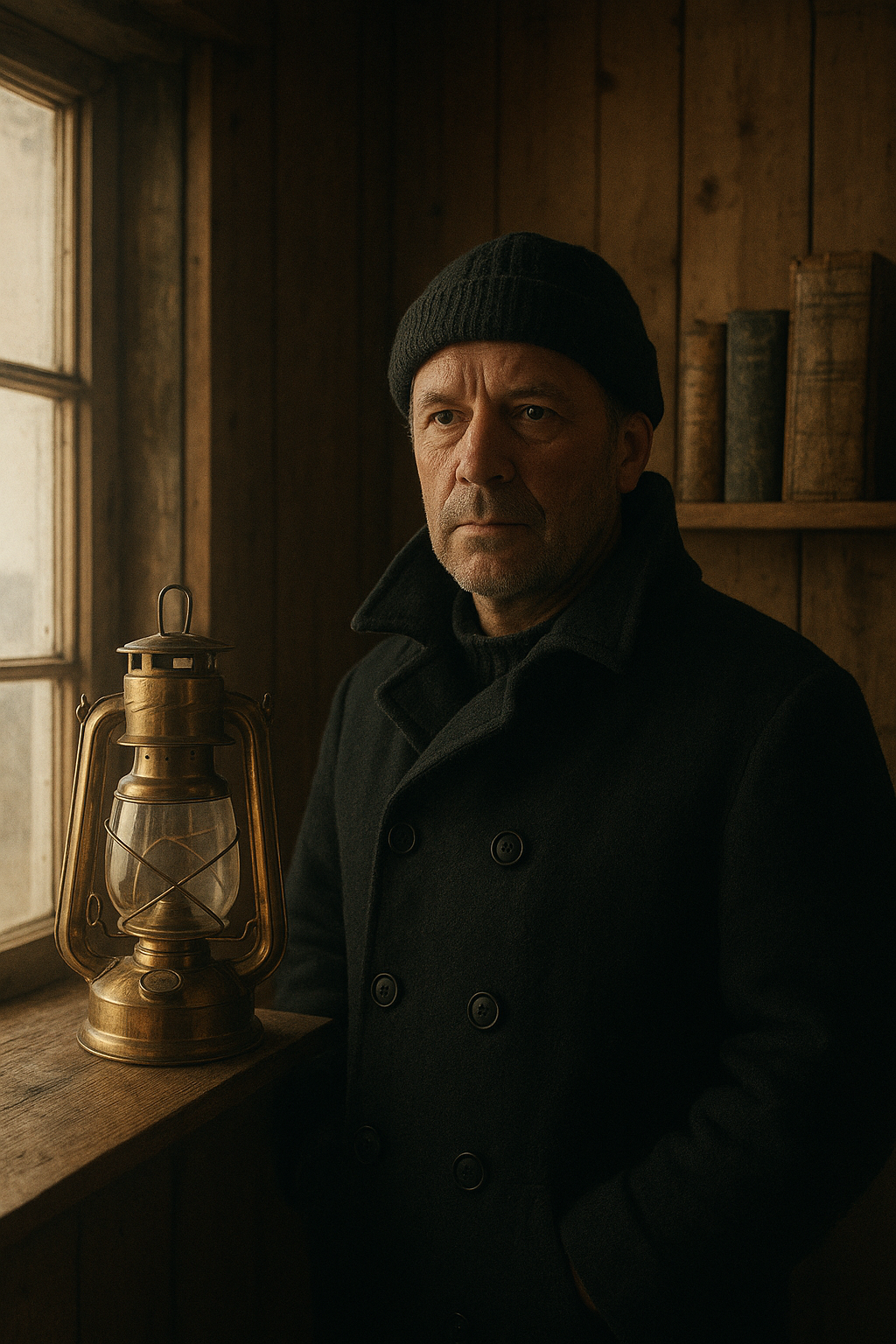
Featured account
Through lamp-trimming notes and pantry tallies, Brenner’s journal traces the quiet discipline of freezing-night patrols, fog bell checks, and shared meals that anchored the station through long Atlantic storms.
Story note
Letters from keeper Marta Holm describe children reciting lessons at the kitchen table between tide checks, revealing how domestic life and station duty blended into one unbroken coastal rhythm.
Story note
An oral history recorded in 1974 captures the final hand-rung fog signal, preserving voices from the transition era when mechanical rounds gave way to remote systems along the northern coast.